
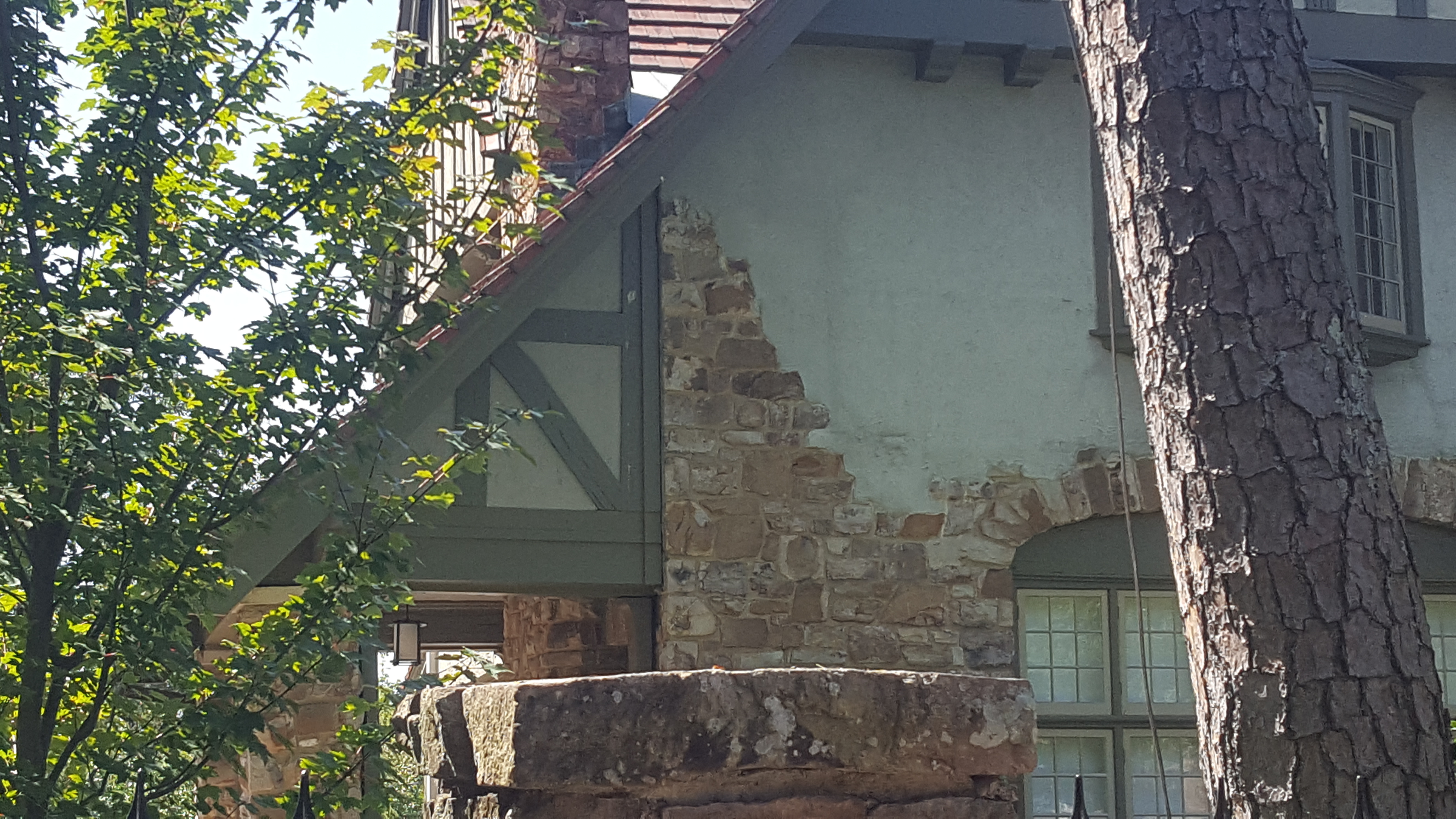
Some of the historic detail found in Hillcrest
Incorporated in 1905, Pulaski Heights marked the beginning of Little Rock’s ongoing expansion to the west. Until the arrival of streetcar lines from Little Rock in 1903, the area existed as a mostly uninhabited, wooded stretch. Since purchasing an initial 800 acres in 1891, Michicgan lawyers H.F. Auten and Edgar E. Moss had been eagerly awaiting the streetcars’ arrival.
When electric-powered lines began to run up Prospect Avenue (now Kavanaugh Boulevard), Pulaski Heights’ development was off and running. In just a couple of years Pulaski Heights grew from fewer than a dozen families to a town of more than 300 by the time it was incorporated on August 1, 1905. What is now called the Hillcrest Historic District was part of this Pulaski Heights development.
Sidewalks, schools, churches and businesses, including a newspaper, quickly followed as Hillcrest, touting its natural, outdoor beauty, attracted home buyers of many different income levels and architectural styles. Developers knew that the city and Pulaski Heights couldn’t support a development only for the rich and worked to appeal to “Mr. Workingman” with affordable homes.
Georgian and Tudor bungalows sit with English Revival and Craftsman houses of various sizes. Notable architects Charles Thompson, Max Mayer, Theo Sanders, George Mann and others who dominated the pre-WWII scene in Arkansas-designed houses in Hillcrest.
Today, Hillcrest has one of the most distinctive neighborhood “personalities” in Little Rock. Many of the homes that date back to the early 1900s still stand in Hillcrest, including the area south of Lee Avenue and west of Colonial Court. Many of these are Colonial Revival cottages, Bungalows, and one-story “four squares.” But Hillcrest also includes some magnificent homes dating back to the early 1900s-estate-sized homes, especially along the northern side of the neighborhood on Hill Road and other nearby streets.
In 1990 the Hillcrest Historic District was listed in the National Register of Historic Places and soem individual homes in the neighborhood are also listed.
Once a wooded plot of land far from the center of town, the area that came to be known as “Pulaski Heights” is now a vibrant place for shopping, dining and nightlife, with a friendly, neighborly vibe that overlays the electric architecture.
Hillcrest residents walk. They walk to their favorite restaurants and stores, parks and galleries. They walk to their friend’s homes and they walk their kids to school.
With ample shade, it is a place to promenade on the way to patio gatherings, pre-game and post-game parties or the “Shop n’Slip” events hosted by Hillcrest merchants the first Thursday of each month.
The SAVE HILLCREST! organization is concerned the history and historic architecture of our community is being destroyed.